Soho Pbx World Uncategorized Tooth replacement: Understanding the necessity

Tooth replacement: Understanding the necessity

A tooth loss can affect your ability to speak and chew correctly. It could also have an effect on your self-confidence and confidence. Replacement of teeth is thus crucial. There are a variety of options for replacing missing teeth, such as dental implants, dentures and crowns.

Dental implants are well-known for the replacement of missing teeth since they are comfortable and appear like natural teeth. Implants are a long-lasting option that does not require additional care, other than regular flossing and brushing. Your dentist will decide if you`re a good candidate to receive dental implants based on a variety of factors such as the health of your jawbone and gums.

If you`re not a good candidate for dental implants, or want to consider a different choice then there are other options for replacing your missing teeth. Dentures are removable dental appliances which can be utilized to replace missing teeth or a number of them. Crowns are an alternative to repair decayed or damaged teeth that require additional support after treatment. Your dentist will work with you in determining the best method of treatment depending on your particular needs and preferences when it is time to replace your tooth. Forest and Ray is a important source to get more information.

There are many options available for tooth replacement.

Teeth are essential to our appearance and health. The loss of one or more of our teeth has a significant impact on our ability to speak and eat, as well as our self-esteem. There are a variety of options for replacing missing teeth.

False teeth are removable prosthetics that can be placed over your gums. Dentures can be utilized to replace a single tooth, or to replace several teeth. False teeth are composed of different materials, including acrylic resin, porcelain or alloy of metal.
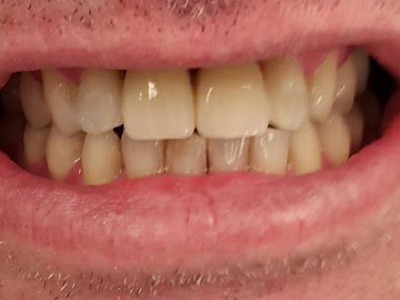
London Tooth Replacement
Dental implants are another option for replacing missing teeth. Implants are put in place by surgically insertion of a titanium post into the jawbone, exactly where the tooth used to be. Once the implant is bonded to the bone then the tooth that will replace it is attached.

Another option to replace missing teeth are bridges made up of one or more artificial teeth, which are anchored by natural teeth that are adjacent or dental implants. Bridges are made of various materials, including porcelain and ceramic.

Talk to your dentist about the best treatment for your health and needs. No matter which option you choose, taking care of your teeth and maintaining them properly can ensure long-term success improving your smile and confidence.


Consultation and Evaluation Process

During the consultation and assessment process Your dentist will evaluate your oral health in order to decide on the best solution for replacing missing teeth. They might recommend dental implants as well as a denture or a dental bridge depending on the specific requirements of your. Implants can be advised if you suffer from missing teeth. It is protected by your surrounding teeth and can also make your smile stronger.

If you have multiple missing teeth, a partial denture or removable partial crown may be recommended since they provide greater flexibility than a fixed bridge. Your dentist will outline all options available to you, allowing you to make an informed decision. In certain cases, teeth whitening treatments may be recommended prior to proceeding with any type of tooth replacement to ensure that existing teeth are in the same shade as any new restorations.

The process of preparing for it involves discussing the potential risks and complications with your dentist. It is important to ensure that you know what you can expect during and after the procedure. It is essential to follow the instructions given to you prior to surgery by your dentist to minimize any potential risks that may arise from the procedure. Aftercare instructions that must be carefully followed to promote healing and ensure your oral health in the long term.

Make sure you are prepared for the procedure

One of the initial steps in preparing for a tooth replacement procedure is to consult with your dentist. Your dentist will assess the condition of your missing teeth during this consultation and suggest options to replace them. Dentures, dental implants and crowns are the most common alternatives for replacing missing teeth.

Before undergoing any dental procedure, it`s vital to make sure that you`re in good dental health. Gum disease or decay can hinder the effectiveness of a tooth replacement method. Before recommending a tooth-replacement procedure the dentist might recommend treatment options such as teeth whitening and gum treatment.

It`s important to think about how a replacement tooth will affect the adjacent teeth as well as your bite alignment. In the initial consultation the dentist will explain these issues and assist you in selecting the replacement option that most closely mimics a natural tooth.

The procedure for replacing teeth

Dental implants are one way to replace damaged or missing teeth. The procedure involves putting titanium rods in the jawbone that acts as an anchor to support an artificial tooth. Implants for dental use can be made out of ceramic or other materials to match the surrounding teeth.

Dental bridges are another alternative to replace missing teeth. Bridges use the teeth located on each side of a gap to support a false tooth or several false ones between. Bridges can be constructed of various materials, including ceramic or porcelain, however they might require additional dental care in case bone loss has occurred in the vicinity.

Partial dentures can be utilized for replacing missing teeth. They are removable devices attached to natural teeth using clasps or attachments that are precise. They can be made from metal or acrylic resin and are a less expensive option compared to other methods.

Whichever choice you make It is important to see your dentist for consultation and evaluation prior to beginning any procedure to replace your teeth. Your dentist will examine the health of your mouth and recommend solutions based on factors such as cost, durability, and aesthetics. The aftercare and long-term maintenance also play a role in getting the results you want without the risks or complications that come with loss of teeth with time.

Recovery and post-care

Recovery and proper aftercare are essential to the effectiveness of your tooth replacement procedure. You will receive specific directions from your dentist to make sure that you heal properly and maintain your healthy teeth for the long term.

If you`re missing a tooth many teeth, there are several options available to replace them. The removable partial denture is one of the most popular options to replace missing teeth. It can also be used for several teeth. Another option is a bridge, where an artificial tooth is placed underneath the bridge to fill the void left by the missing one.

It`s important to keep in mind that leaving a tooth missing untreated may have detrimental effects on the remaining teeth in time. As the surrounding teeth move into the space left vacant due to a missing tooth teeth decay and gum disease can be a possibility. If you need to replace one or more missing teeth, book an appointment with your dentist practice to discuss treatment options and costs for a single implant.

One of the most sought-after solutions for replacement of missing teeth is dental implants. As opposed to dentures or bridges, implants feel and look like real natural teeth as they are surgically placed in the jawbone where they fuse with it in time. With the proper care and maintenance implants may be used for many years and not having to be replaced

The long-term maintenance of a tooth replacement

To make sure that your dental prosthetic will last as long as you can, it is important to ensure that the device is maintained regularly. If you own a dental bridge, it`s vital to clean and floss around the bridge regularly. Your dentist will always suggest the use of a special flosser that can clean under the bridge too. If you have a number of teeth replaced by bridges or dentures. Regular check-ups are crucial to keep them in good overall health.

If you`ve decided to go with dental implants, then long-term maintenance requires simple steps like brushing and flossing regularly. It may be suggested by your dentist to use a mouthwash that is antibacterial to stop the growth of bacteria from forming. Periodically, X-rays can be used to determine if the bone density at the implant site is low.

A crown placed on an implant needs just as much attention as natural teeth do – brushing twice daily and flossing at least once per day should suffice in keeping their health in the long run. Implants can last for years with proper care So, make sure you be on time for every appointment recommended by your dentist throughout this time of covid pandemic too!

Be aware of possible complications and potential risks

It is crucial to take into consideration potential risks and complications when looking at options to replace teeth. A frequent issue with dental implants is the chance that the implant may not integrate correctly with the jawbone which can cause discomfort or even the need to remove the implant. If a porcelain crown was used to replace the tooth, it might chip or break in time.

Another factor to be considered when considering dental procedures is that multiple procedures are required in order to obtain the desired outcomes. It could be orthodontic treatment to ensure alignment of teeth around it or oral and maxillofacial surgeries to prepare for the placement of an abutment. While implants are made to look and feel just like natural teeth, they may not fit perfectly.

At the beginning of a consultation it`s crucial for patients to have a discussion about any concerns they be concerned about the potential risk with their dentist. There are some rare instances of more serious complications such as infection or nerve damage. Patients who have received radiotherapy or mouth cancer in the past might also need to take extra precautions during their tooth replacement due to changes occurring in facial muscles and bones.

Despite the potential risks, many people find that replacing missing teeth boosts their confidence and allows them to get their smile back. If properly care and maintenance is taken by both the patient and their dental team, dental replacements can last for many years solidly in the jaws, both lower and upper – providing peace of mind knowing that they have regained full function thanks to modern dental technology and skill!

Related Post

Sheet Metal Roller Design, Options for Customization, and Roller Accessories: Enhancing Performance and ProductivitySheet Metal Roller Design, Options for Customization, and Roller Accessories: Enhancing Performance and Productivity

Within the automobile industry, sheet metal rollers are utilized in a variety of applications. While there are different types of sheet metal rollers available in the marketplace, their design and customization play a crucial role in their functionality and performance you can see -.

Just how sheet metal rollers affect performance and functionality are influenced by the sheet metal roller design features.

Metal sheet rollers can be made in a number of designs, including horizontal or vertical. The performance and functionality of sheet metal rollers are significantly influenced by the design features. As an example, the thickness of the metal which may be rolled may be determined by the level of the roller, the dimensions of the roller shaft and the distance between the rollers.

The design on the roller is likewise determined by the material used. For rolling harder metals, like stainless steel, you will want to use rollers made from harder materials, like tool steel and also tungsten carbide. However, rolling wheels created out of softer substances like brass or perhaps aluminum are better for rolling softer metals like copper.

Options for sheet metal rollers consist of customization to meet customer requirements.

Specific needs could be met using sheet metal rollers. The modification could include altering the design features of the roller or adding certain options to enhance the functionality. Different metal thicknesses or styles can be accommodated, for example, by creating custom rollers.

One common modification is the inclusion of beads or flanges on to the rolled metal. You can use beads and flanges to join 2 metal pieces together or to create a decorative element within the metal. The customization involves utilizing special dies and tooling to create the desired flange or maybe bead shape.

Customizing sheet metal rollers – benefits and advantages

There`re a number of benefits which can come from personalizing sheet metal rollers such as :

Increased efficiency: Increased work productivity and cost savings could be realized by using customized rollers to enhance the rolling process.

Better quality: With customized rollers, you are able to make more precise and precise shapes, while maintaining the quality of the rolled metal.

Enhanced versatility: When you are looking at metal rolling applications, custom made rollers can be utilized for a variety of metal shapes and thicknesses.

What are some of the add – ons for sheet metal rollers and how they are able to bring functionality?

For sheet metal rollers, a variety of accessories such as dies, mandrels and rollers are offered. These add – ons enable you to personalize the functionality of your sheet metal rollers by handling a variety of steel shapes and thicknesses.

The mandrels are cylindrical tools that are employed to help support the metal during the rolling process. They may be created to suit the shape and size of the metal that is being rolled. The mandrels will support the metal during the rolling progression and prevent it from deforming, leading to a more precise and accurate shape.

During the rolling procedure, rollers help shape the metal. They could be customized to complement the shape and size of the metal being rolled from the industry experts -. To be able to make shapes in the alloy, such as curves, waves, and contours, rollers can be used.

Specialized instruments are used to develop shapes within the metal together with the aid of dies. They may be made to match your design or shape. For creating beautiful components in the metal, you are able to make use of dies to make other elements, beads, or flanges.

Conclusion

The overall performance and functionality of sheet metal rollers tend to be significantly impacted by the layout, customization and accessories. The ability to modify may enhance efficiency, quality and versatility, while adding accessories broaden the scope of metal rolling applications. Businesses can utilize the right tools, at -, to meet their sheet metal rolling needs, since they realize the benefits of customization and also sheet metal roll design.

Mental Health Therapy: A Path to Healing and GrowthMental Health Therapy: A Path to Healing and Growth

Mental health therapy plays a vital role in helping individuals navigate emotional struggles, develop coping strategies, and improve overall well-being. Whether you’re managing stress, anxiety, depression, or deeper psychological challenges, therapy provides a safe, supportive environment to work toward healing and self-discovery.

What Is Mental Health Therapy?

Mental health therapy, also known as counseling or psychotherapy, involves working with trained professionals to address emotional and psychological concerns. A mental health coounselor use evidence-based techniques to help individuals identify, understand, and manage their thoughts, feelings, and behaviors.

Types of Mental Health Therapy

  1. Cognitive Behavioral Therapy (CBT): Focuses on identifying and changing negative thought patterns and behaviors.
  2. Dialectical Behavior Therapy (DBT): Helps manage intense emotions, often used for borderline personality disorder.
  3. Psychodynamic Therapy: Explores unconscious processes and past experiences affecting current behavior.
  4. Humanistic Therapy: Encourages self-exploration and personal growth.
  5. Family and Couples Therapy: Addresses relational dynamics and improves communication within families or couples.
  6. Art or Music Therapy: Uses creative expression to process emotions and reduce stress.

Benefits of Therapy

  • Improved emotional regulation and resilience.
  • Better communication and relationships.
  • Tools to manage anxiety, depression, and other mental health issues.
  • Increased self-awareness and confidence.
  • A judgment-free space to process trauma or life transitions.

How to Know If You Need Therapy

Consider seeking therapy if you:

  • Feel overwhelmed by stress or sadness.
  • Experience persistent anxiety or irritability.
  • Struggle with relationships or major life changes.
  • Have difficulty managing anger or trauma.
  • Feel stuck or unmotivated in daily life.

What to Expect During Therapy

The first session often involves discussing your concerns, goals, and history. From there, your therapist will develop a personalized plan to guide your sessions. Therapy may involve talking, exercises, or techniques to help you manage emotions and work through challenges.

Finding the Right Therapist

  1. Research therapists with expertise in your area of concern.
  2. Look for credentials such as licensed clinical social workers (LCSW) or psychologists (Ph.D./Psy.D.).
  3. Consider the therapist’s approach, availability, and cost.
  4. Don’t hesitate to switch therapists if you don’t feel a good connection.

Mental health therapy is a powerful tool for achieving emotional balance, overcoming challenges, and living a more fulfilling life. Seeking help is a sign of strength, not weakness, and can be the first step toward profound personal growth. If you’re ready to take that step, reach out to a qualified therapist today—your mental well-being is worth it.

Athena is a community mental health clinic in the Bronx, New York. They provide the best possible mental health care to all who come through our door—adults, children, and teenagers—regardless of their ability to pay. If you live in New York and in need of help, visit them at https://athenapsych.com/

How Lawyers Investigate Car Accidents: A Step-by-Step GuideHow Lawyers Investigate Car Accidents: A Step-by-Step Guide

How Lawyers Investigate Car Accidents: A Step-by-Step Guide

From the smallest fender benders to the most serious collisions, car accidents can involve incredible complexity. It takes a deep understanding of the law and the tools at a lawyer’s disposal to surface the facts and untangle the various strands of a case. How do lawyers go about investigating car accidents — and how can those involved protect their interests? In this post, we’ll take a look at car accident investigation from the lawyer’s point of view, breaking down the process into a step-by-step guide that can help ensure justice is served and those affected by the accident are taken care of. So strap in — we’re about to take a deep dive into how lawyers investigate car accidents.

Quick Explanation of Key Question

Lawyers will typically investigate car crashes by gathering evidence, taking statements from witnesses, researching applicable laws, and examining accident reports. It is important to consult with an experienced injury lawyer to discuss your legal rights and options for filing a lawsuit against any liable parties.

Investigating Car Accidents for Legal Purposes

Investigating car accidents for legal purposes is a multi-faceted endeavor that requires in-depth research and analysis. Lawyers must consider several factors to determine who is responsible for the crash. This includes examining the conduct of all involved parties, eyewitness testimony, photographs, and any other evidence available.

When conducting an investigation of a car accident, lawyers must consider two sides of a case: the side of the plaintiff (the person or entity bringing forward a claim) and the side of the defendant (the person or entity defending against the claim). They must also take into account both direct and circumstantial evidence that may be relevant to their case. For example, any statutorily mandated regulations related to vehicle safety or incident reporting may help lawyers prove that a certain party acted negligently.

The information gathered through an investigation is invaluable to attorneys as it helps them build a strong legal case for either side of an accident dispute. With thorough analysis and careful consideration of all perspectives, lawyers can obtain critical facts to efficiently move their case forward.

As we can see, investigations play an important role in car accident cases. Taking the appropriate steps to gather detailed information and evaluate evidence can be essential to accurately determining liability. To ensure justice is served, it`s essential that this investigative work is taken seriously by attorneys. Moving on then, let`s look at how lawyers gather information from police reports to assist them with their investigation efforts.

Gathering Information from Police Reports

Once the lawyer has arrived on the scene of a car accident, they will begin gathering information. An essential part of this process is obtaining any police reports relating to the incident. The police report is one of the many pieces of evidence used by lawyers to gain insight into what happened and make an argument for their client.

Depending on the moment such as if it’s during or after business hours, the process for retrieving a police report can be time-consuming and tedious. On one hand, lawyers have an obligation to be diligent in their investigation of a case and thus must seek out a detailed police report, including notes from any officers on the scene at the time. On the other hand, delays in receiving a detailed report could put a car accident lawyer at risk of not meeting timelines or not having enough information to build a strong case.

Therefore it is important for lawyers to work ahead and plan ahead with local law enforcement personnel to ensure that any reports needed for their investigation are received in a timely manner. By doing so, lawyers can feel assured that they’ve done all they can to properly investigate their clients’ cases and have gathered all pertinent information from the police report that’s needed to build an effective argument.

Now that an attorney has completed their thorough review of a police report, it is time to continue with their investigation by interrogating witnesses and parties involved. It is important for them to ask appropriate questions about what may have caused or contributed to the accident and further probe for additional details through interviewing those individuals.

Top Highlights

When lawyers are handling a car accident case, they must obtain the police report of the incident to gain insight into what happened. Although it is time-consuming and tedious to do this, especially if it`s during or after business hours, they must be diligent in their investigation and plan ahead with local law enforcement personnel to receive the reports in a timely manner. Once the lawyer has reviewed the police report, they will move on to interrogating witnesses and parties involved to ask more questions about what may have caused or contributed to the accident for further details.

Interrogating Witnesses and Parties Involved

Witnesses and parties involved play an integral role in understanding the circumstances surrounding a car accident. Lawyers will often seek out any knowledgeable individuals who may be able to provide valuable information about the incident. Those with relevant first-hand accounts include those riding in any of the vehicles involved, those on the side of the road at the time of the accident, and more. Eyewitness statements can act as invaluable evidence when trying to piece together a case.

Lawyers are expected to remain objective during lawyer-client interviews and evaluate any testimony from witnesses with care. Relevant information must be collected from all parties before forming a conclusion. It is the responsibility of lawyers to ensure that no individual’s account differs too drastically or remains inconsistent with the police report; this would require further investigation. Moreover, lawyers may also use direct questioning strategies to test allegations made by one party against another which would help determine fault. Such direct questioning techniques include patient listening, checking facts and data, summarizing what has been expressed, reflective listening and using an inquisitive attitude.

At times, it may be foreseeable that certain witnesses or parties refuse to cooperate or provide sufficient evidence due to loyalty towards other persons involved or personal biases. When this occurs it becomes necessary for attorneys to manage expectations and move onto alternate sources of evidence such as documents or other witness statements that can confirm or deny claims made by noncooperative persons..

Uncovering pertinent facts requires counsels to deploy a combination of investigative tactics – like interrogating witnesses and parties involved – for in-depth factual evaluations. Doing so allows lawyers to construct a comprehensive narrative prior to collecting forensic evidence upon which a case can be built upon for trial preparation purposes.

  • According to the US Department of Transportation, there were over 6 million police-reported motor vehicle collisions in the United States in 2018.
  • According to a study published in 2015, an estimated 35%-45% of motor vehicle accident claims involve an alleged dispute of liability or fault between the parties involved.
  • A survey by the National Center for State Courts revealed that over 405,000 civil cases based on motor vehicle crashes were filed in 2012.

Collecting Forensic Evidence

Once lawyers have gathered all necessary witness testimonies, they then move on to the investigation of the physical evidence from the car accident. Lawyers must review any and all forensic evidence that is collected from the scene in order to gain an understanding of how and why the accident occurred and to assign liability. They will often work with a professional investigator or an expert to acquire information and photographs of the scene, vehicles involved, skid marks, and other physical evidence that may be present. This can provide valuable insight into how fast each vehicle was traveling, who was at fault for causing the accident, and what measures should be taken next.

One way lawyers collect forensic evidence is through a process known as metrology. This involves measuring various components of the scene such as lengths and angles which can help determine liability based on analytical inferences. Additionally, lawyers may also use 3D laser scanning technology to capture accurate measurements, provide data points for analysis, and build 3D displays of the scene which can be used to better explain their findings during a trial.

It`s critical that before collecting any information or taking pictures of the site, that the personal injury attorney document the scenery completely in order to have an accurate record of what occurred. By collecting this important data at the scene itself, lawyers are not only able to create a timeline but also ensure accuracy when looking at any potential future legal implications of their findings.

With data from witnesses and forensic evidence from the site collected, attorneys must then examine damage done to both people and property in order to formulate arguments for settling claims. To do so effectively requires attention to detail regarding medical reports, repair estimations, and records related specifically to this incident. In some cases where extensive damage has been caused by the accident itself or by a defect in one of the vehicles involved will warrant a deeper investigation in order to determine future implications that may exist on either side.

Overall, collecting forensic evidence is essential for lawyers conducting investigations into car accidents in order to decipher underlying causes of these events, identify who is liable for damages incurred as a result, and draw sound conclusions that can be used in legal proceedings where necessary. With an efficient collection process in place lawyers can then move on towards assessing vehicle damage which is equally important when exploring questions surrounding negligence.

Examining the Vehicle Damage

Once investigators have collected any relevant forensic evidence from the scene, the next step is to examine the vehicle damage that was caused by the accident. It is an important task for lawyers because this helps them to identify what occurred during the crash and who might have been at fault. Depending on the type of collision and its severity, they could be looking at anything from significant structural or interior damage to minor bodywork imperfections. Lawyers may also review photos taken at the scene or supplied by one or both of the parties involved in order to gain a better sense of the damage that was done.

In some cases, it is possible to determine who was responsible based on the condition of the vehicles. For example, if a frontal-impact collision leaves one vehicle’s front-end significantly damaged, but just a slight scratch on the other car`s rear bumper, it is more likely that one of the two drivers was not paying attention and swerved into the other car. In any case, vehicle examination will help lawyers build a picture of how the accident unfolded and whether each party was acting reasonably in their actions.

Although examining external damage can help reconstruct what happened leading up to an accident, internal forensic evidence is typically more crucial when it comes to forming conclusive evidence about its cause. That is why it is important for lawyers to investigate details under the hood as well; paying special attention to things such as tire wear patterns, engine oil levels and problems with brakes, suspension or steering mechanism. All these details can help inform conclusions about who had control over their car immediately before and during impact, which can have far-reaching implications when it comes to assigning fault and determining liability.

Having examined both the external and internal aspects of any vehicular damage in relation to an accident, attorneys can then move onto analyzing various sources of data that might provide further insight into how it all played out—ultimately allowing them move closer towards forming conclusions and establishing legal responsibility or negligence.

Analyzing the Case and Conclusions

In analyzing the case of a car accident, lawyers must consider all evidence collected and decide whether a particular claim is valid. This includes examining such factors as the vehicle damage, the testimony of any witnesses, and the accounts of the drivers involved. Depending on what is determined through these observations, lawyers will often draw one of two conclusions: either that negligence is not present or that there is reasonable doubt that negligence has occurred.

When negligence is suspected, it often depends on proving that a reasonable driver would have acted differently in order to avoid the accident. Lawyers may argue for one side or another, emphasizing evidence such as skid marks from tires or analysis of crash-test dummies to explain how traumatic force affects the human body. It is essential for lawyers to weigh all factors before coming to a conclusion and presenting their arguments in court. Ultimately, if clear proof of negligence can be demonstrated, then an appropriate settlement can be presented.

The next step in litigating car accident cases is creating a description of the events leading up to the crash. Often an accurate sequence of events from start to finish must be established in order to determine responsibility and liability. To this end, it`s important to look at all available information and determine which facts are verifiable. Although it can be difficult, pulling together all pieces of evidence helps lawyers craft a narrative that adequately describes what happened in order to demonstrate why certain costs should be allocated accordingly.

Describing the Sequence of Events

Describing the Sequence of Events – After analyzing the case and forming conclusions, it is time for lawyers to start piecing together the order of events which led to the car accident. This can often be determined in court or through witness statements, but if neither of those are available, lawyers must seek other forms of evidence. In court, a combination of scientific data from an expert witness alongside eyewitness testimonies can be used to create a timeline of what occurred during the incident. When determining sequence of events, it is essential that lawyers consider both sides of the argument and debate whether there is sufficient evidence to back up the conclusions being formed. For example, if both parties in a car accident agree on what happened but state different times and distances, a lawyer may need to refer to documents such as police reports or independent eye-witness accounts to better corroborate what occurred.

Once all evidence has been brought forth and considered this section will conclude by transitioning into how lawyers might pursue justice through a lawsuit. Investigating car accidents can be complicated and detailed processes so having accurate information helps this stage transition into successful litigation more smoothly.

Pursuing Justice Through a Lawsuit

If the case of a car accident warrants legal action, lawyers pursue justice through a lawsuit. In order to bring a successful lawsuit, attorneys need to prove negligence on behalf of the defendant and that the plaintiff was injured as a result of the defendant’s negligent act.

To make this case, attorneys often rely on an assemblage of evidence collected from the scene of the accident by law enforcement, insurance companies and expert witnesses. This evidence is used to demonstrate what really happened and to whom fault should be assigned. The evidence is used in court filings, negotiation strategies and other motions designed to help support their client’s argument or disprove a defense attorney’s arguments.

A legitimate car accident lawsuit can also include pursuing punitive damages against a driver who acted recklessly or with intent to cause harm. If the case is strong enough and provided that the attorneys can prove that driver was acting with malicious intent when they caused the accident, it is possible to extract monetary or non-monetary relief through a lawsuit.

In some cases, drivers may begin to believe that filing a lawsuit is not worth the time and effort for either side involved. Attorneys must effectively engage clients throughout each step of legal process; clarify expectations you have with your client prior to filing suit; discuss ways alternative resolution methods such as mediation or arbitration may be more beneficial; and find alternative places where justice can be sought out such as creating a fund from settlement money for victims families. It is essential for lawyers to use their thorough understanding of state and local laws relating to car accidents in order to pursue justice for those who have been wrongfully harmed in an automobile crash.

Responses to Common Questions

What evidence do lawyers look for when investigating a car accident?

When investigating a car accident, lawyers look for any evidence that may be relevant to the case. This could include eyewitness testimony, surveillance or traffic camera footage, police reports, medical records, photos or videos of the scene, and field measurements taken by expert investigators. Eyewitness accounts can help determine who was at fault in an accident, while camera footage can provide an objective view of what occurred. Medical records can prove the extent of any physical harm suffered by victims in an accident. Professionally taken photographs or videos of the accident scene can also provide valuable information about the speed and direction of vehicles at the time of impact. Finally, field measurements can help corroborate evidence given by witnesses or seen in photos or videos. All these forms of evidence can be used to create an accurate picture of what happened and make sure justice is served.

What steps do lawyers take when conducting a car accident investigation?

When conducting a car accident investigation, lawyers will typically take the following steps:

1. Gathering evidence: Collecting police reports, interviewing witnesses, and obtaining video surveillance of the accident if available are key steps to building an effective case.

2. Analyzing legal claims: Attorneys will analyze applicable laws to see if the driver who caused the accident is liable for injuries or damages incurred.

3. Investigating the cause of the accident: Lawyers will look into factors such as road conditions, driver history, and vehicle maintenance to determine what led to the accident.

4. Preparing for settlement negotiations or litigation: Depending on their findings, attorneys may suggest that their clients accept a settlement offer or go to court for a larger award.

5. Filing paperwork in advance of trial or negotiations: Lawyers must prepare pleadings and other documents needed for court proceedings or settlement negotiations.

6. Representing client in court or negotiations: After due preparation is done, attorneys can effectively advocate on behalf of their client in order to secure an adequate outcome.

How do lawyers identify liable parties in a car accident investigation?

When lawyers investigate car accidents they need to identify all of the parties who may be liable for the accident. This includes anyone involved in the crash, as well as any bystanders or other third parties that may have contributed to the crash. In order to do this, attorneys will often research crash reports and evidence from the scene of the accident, such as skid marks, damaged vehicles, and witness accounts. They will also typically speak to all of the involved drivers and review their records, such as license status, driving history, and insurance coverage. Attorneys can use this information to determine if a potentially liable party was distracted or impaired at the time of the accident, not following traffic laws, or negligent in some other way that caused or contributed to the collision. With this in mind, an experienced attorney can use all of these sources of information to piece together a narrative that points to one or more liable parties in an accident.