Energy healing, an alternative therapy that involves manipulating the body’s energy fields to promote physical, emotional, and spiritual well-being, has gained popularity in recent years. Proponents of energy healing claim that it can address a wide range of health issues and improve overall vitality. However, skeptics argue that its effectiveness is purely based on placebo effects. In this article, we will explore the current scientific understanding of energy healing and evaluate its effectiveness based on available evidence.
Understanding Energy Healing
Energy healing encompasses various modalities such as Reiki, acupuncture, qigong energy healing, and therapeutic touch, among others. These practices are based on the concept that energy flows through the body and disruptions or imbalances in this energy can lead to illness. An energy healer uses different techniques to manipulate this energy and restore balance, aiming to stimulate the body’s self-healing mechanisms.
Scientific Research and Evidence
While energy healing is widely practiced, scientific research on its effectiveness remains limited and controversial. Most studies investigating energy healing suffer from methodological issues, such as small sample sizes, lack of control groups, and inadequate blinding. Consequently, it is challenging to draw definitive conclusions about its efficacy.
Placebo Effect and Mind-Body Connection
One of the primary criticisms of energy healing is that its effects might be attributed to the placebo effect—a psychological phenomenon where a person experiences real improvements due to their belief in a treatment. Placebo effects can be powerful, leading to genuine subjective experiences of relief and well-being. However, they do not provide evidence for the underlying mechanisms or objective benefits of energy healing.
Alternative Explanation: Biofield or Subtle Energy
Proponents of energy healing propose the existence of a biofield or subtle energy that surrounds and permeates the body. While the scientific understanding of such a field is limited, there is evidence of electromagnetic fields generated by the body’s cells and organs. Some research suggests that energy healers may influence these fields, leading to physiological changes that promote healing. However, more rigorous studies are needed to validate these claims.
An Integrative Approach
Rather than viewing energy healing as a standalone treatment, it may be more beneficial to consider it as part of an integrative approach to health and well-being. Integrative medicine combines conventional medical practices with evidence-based complementary therapies, including energy healing. This approach acknowledges the potential benefits of energy healing while emphasizing the importance of scientific evidence and patient safety.
The effectiveness of energy healing remains a topic of debate within the scientific community. While anecdotal reports and subjective experiences abound, rigorous scientific studies validating the claims of energy healing are limited. It is essential to approach energy healing with a critical mindset, acknowledging its potential as a complementary therapy, but also recognizing the need for further research and evidence-based practice. As our understanding of the mind-body connection and subtle energies continues to evolve, future studies may shed more light on the effectiveness of energy healing and its role in holistic healthcare.
 You might have the best home ever, but there is one thing that could always get in your way: costly repairs. Sure you’ve got a mortgage and insurance to worry about – not to mention any plans for refurbishment or interior design work-but it can be difficult enough scraping up money every month just so no surprises come out of nowhere when something needs fixing. So how do we make sure our house doesn’t give us too many headaches? It’s important for homeowners to have some extra cash tucked away somewhere safe as a backup for emergencies like expensive fixes on household items such as appliances, air conditioning units, etc because they are bound to happen eventually with all those years ahead! - Homeowners can be faced with a number of unexpected challenges when they’re running their properties, and there’s no way to know which one will come up next. There are some low-cost fixes homeowners can do themselves at home or have handymen take care of for them on the cheap – but others require more time, money, and effort than many people want to invest in repairing an old house that might not even be worth it if you don’t live nearby anymore. Of all the expenses involved in owning your own property…the hardest thing is figuring out how much cash you’ll need just to keep everything working like new! Some repairs are easy enough where you can replace or repair some items by yourself but other times you are going to need to hire a professional contractor. -
 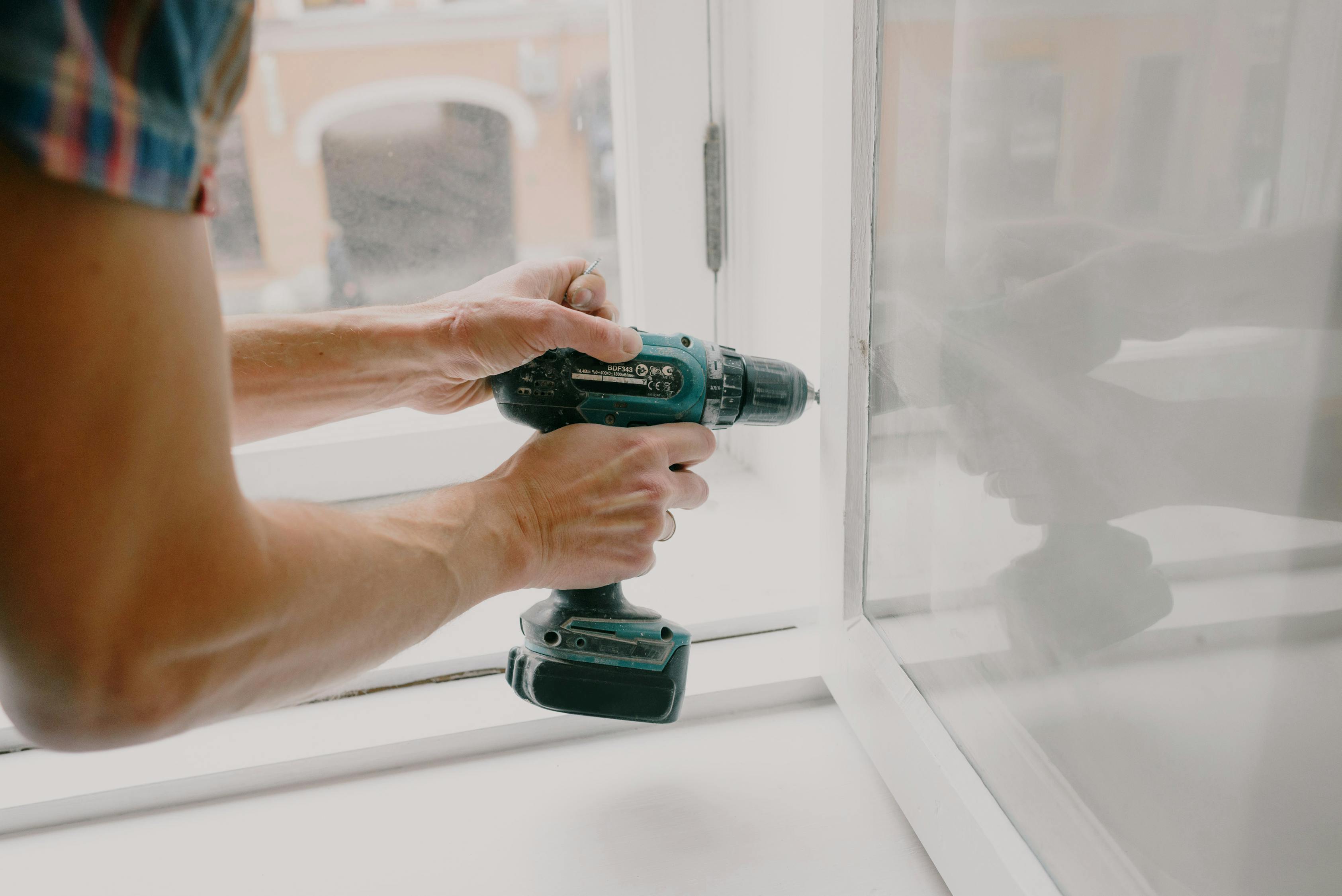 Home foundations are a complicated process, and repairs can be costly. With climate change causing the soil to swell with rain while contracting during drought periods, homes in these areas run the risk of cracks and sloping floors which can lead to major structural damage over time or even total collapse without repair. Foundation problems usually stem from houses not fitting their frames properly because they were built on faulty ground; it is important for homeowners living in high-risk zones like this area to make constant checks that you aren’t about to meet your foundation’s demise any day now! Sticking to the basics can save you from a costly disaster. Preventative measures and maintenance for Foundation repair are critical in preventing your house’s foundation from cracking or sinking, while also keeping it waterproofed so mold doesn’t grow on square footage which is hard enough to keep clean without extra helpings of water penetration due to inefficient drainage. The first step is checking that there isn’t clogging whether, by leaves/debris buildup, roots from nearby trees touching underground pipes (it may be time t0 call an expert), or even small animals like squirrels burrowing into the ground around your property – all of these will eventually cause irreversible damage if left unchecked! Once any potential obstacles have been properly cleared out use techniques such as using a soaker.
  Your roof is the most important part of your house for protecting everything else in it from the elements. When you notice any leaks, missing shingles, or other signs that repair work might be needed, call a professional immediately to get things fixed quickly before more damage occurs inside and out. It’s not cheap though; expect an average cost of around $650 for partial repairs up to $6K for replacing all tiles! Preventative measures include getting annual inspections by professionals every ten years after installation with follow-up maintenance inspections between those times as well (3-5 annually). Heating and AC repairs are expensive, but they’re even more frustrating when you need the system to work most; because it is in this time of year that your heating or air conditioning unit will be working its hardest. Signs of a problem include not being able to cool or heat effectively, seeing signs of leakages from your vents – which can indicate mold growth – as well as strange sounds coming from inside the machine. If these issues happen during summer months with high humidity levels (temperatures over 80 degrees), then there’s an increased risk for condensation accumulation on refrigerant lines and connections due to environmental conditions such as rainstorms or higher-than-normal outdoor temperatures than what would typically cause formation under average operating conditions. Electrical problems can be a major risk to your safety and even the lives of others. They are also inconvenient when they hinder our electricity from working properly in homes, buildings, or industrial complexes. Inspecting these systems annually is the best possible option for prevention as it helps identify any issues before they become dangerous- but if you do find yourself dealing with an electrical issue that needs to be fixed immediately there’s no need to worry! Hiring professionals like electricians will guarantee competent work so make sure you have their number handy just in case something happens at home or on the job site due out next time you might need them. - What if you’re not able to prevent problems from happening? You can avoid a lot of the most costly home repairs by doing your due diligence with preventive maintenance. But even when we do our best, there are still times where big, expensive repairs are unavoidable – and that’s why it pays off to have Home Insurance in place before disaster strikes! It doesn’t matter whether or not you’ve been diligent about prevention- what matters is how well insurance covers these costs for us. The first call should be made quickly after an accident happens this way any necessary cleanup will happen right away too instead of waiting until later on as some people might do – bad idea.